
Prepared by D. Pinelli
Jan 12, 2026
Liburdi Turbine Services provides detailed hot section inspection of a wide variety of gas turbine components. Using advanced inspection and repair techniques, Liburdi critically assesses remaining component life and determines the appropriate repair path to maximize repair yield.
A set of Solar T60 stage 1 blades was recently received for hot section inspection. The following case study outlines the inspection process and resulting repair recommendations.
Hot section inspection is a structured evaluation of gas turbine components exposed to high temperatures and stress in service. The process combines visual, metallurgical, dimensional, and volumetric inspection methods to assess remaining life and repairability before returning parts to service.
After unpacking and entry into Liburdi’s component tracking system, the Solar T60 blades underwent an incoming visual inspection. This initial step assesses overall condition and identifies obvious damage or potential scrap conditions before further processing.
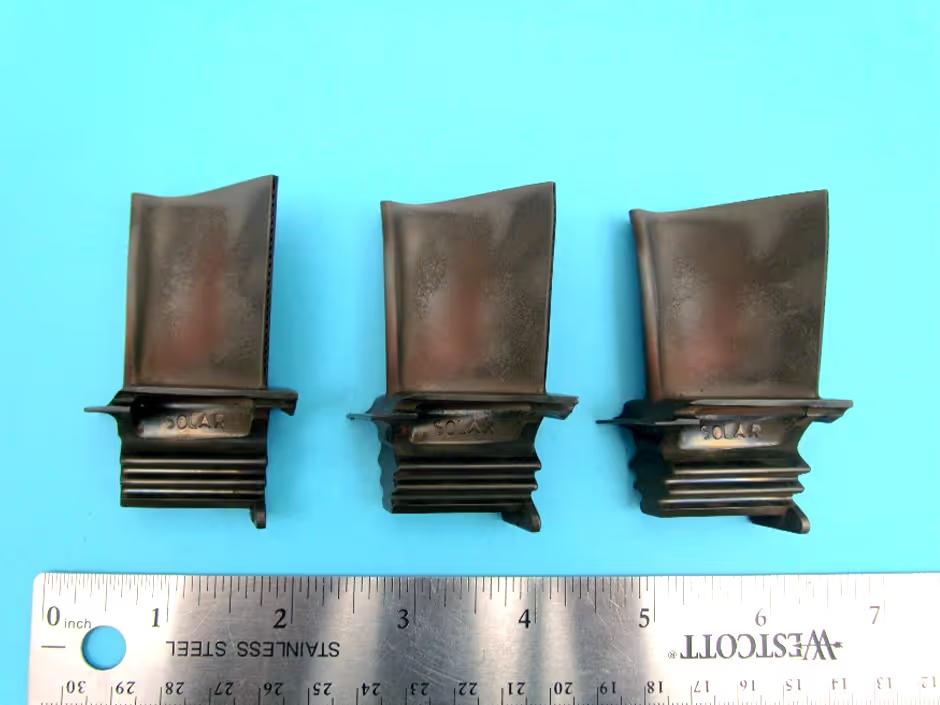
Following the incoming inspection, a single blade was selected for destructive metallurgical life analysis. This analysis enables an in-depth engineering assessment of the blade material, coating condition, and internal surfaces.
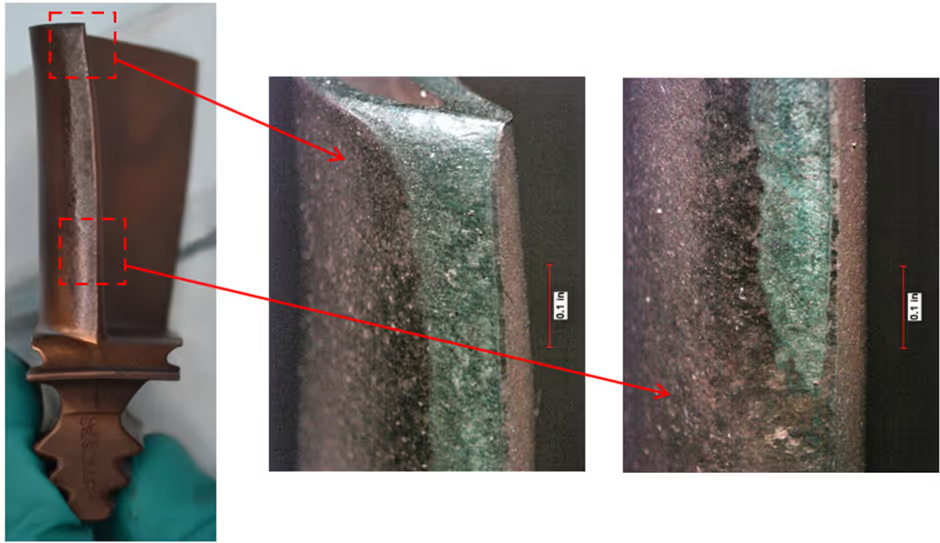
The selected blade exhibited leading-edge material loss common across the blade set. Microscopic examination quantified the depth of missing material and confirmed it remained within allowable blending limits, allowing repair of the remaining blades to proceed.
Life analysis also includes examination of the blade alloy microstructure, coating condition, and internal surfaces. Micrographs taken from the blade root (unaged reference) were compared to those from the airfoil (service-aged region).
This comparison showed material ageing significant enough to require restoration prior to safe return to service. Restoration is achieved using Liburdi’s proprietary Full Solution Rejuvenation® process.

While life analysis was underway, the remaining production blades progressed through inspection preparation. This included cleaning, chemical stripping to remove coatings, and incoming heat treatment to sensitize the material prior to inspection.
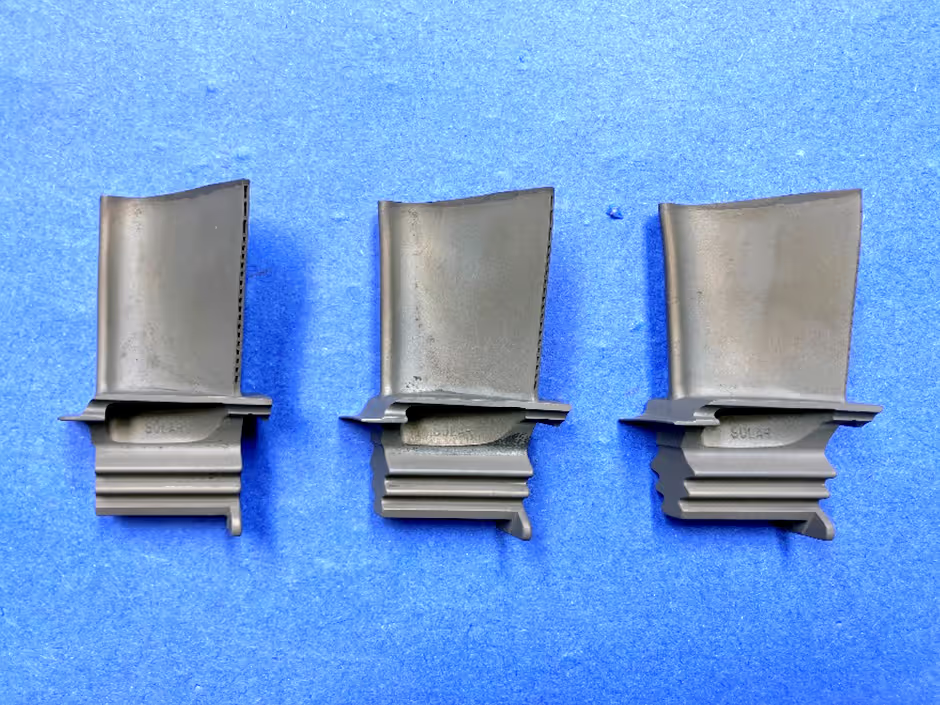
Following preparation, blades underwent incoming visual and fluorescent penetrant inspection (FPI). Dimensional inspections were also performed to assess critical features such as tip height, trailing-edge thickness, and chord dimensions.
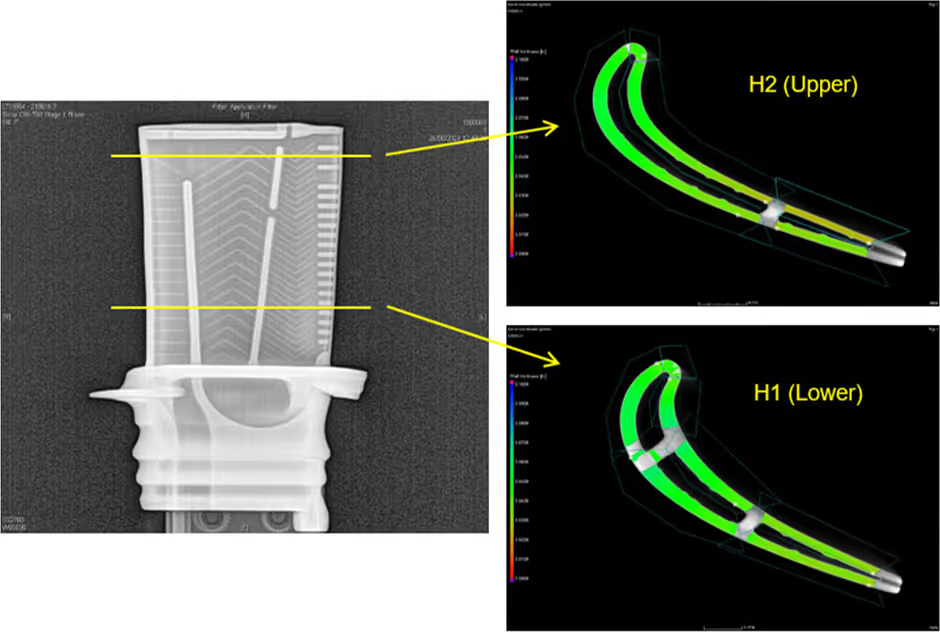
The final inspection step evaluated internal blade features using computed tomography (CT). Each blade was scanned to generate a 3D internal model, from which digital X-ray images were produced and reviewed by a qualified inspector for internal defects, blockages, or voids.
Advanced software automatically measured minimum wall thickness at multiple heights and locations along each airfoil. These measurements confirm sufficient remaining material to maintain in-service structural integrity.
Any areas below threshold limits were reviewed by engineering for acceptance or rejection.
With all inspection data collected, a repair recommendation was provided to the customer outlining the appropriate repair level for the Solar T60 stage 1 blades. This structured approach allows Liburdi to deliver high-quality hot section inspection and informed repair decisions across a wide range of gas turbine components.